


What Is Dyslexia?
Dyslexia is a learning disability that mainly affects individuals’ reading, writing and spelling skills. Moreover, a larger term called neurodivergence is used to classify those whose brains work differently from ‘normal’ people or those who do not suffer from learning disabilities.
Dyslexia is common among children and persists throughout their lives. However, skills can be learnt to better cope.
Dyslexia is a common, lifelong neurodevelopmental condition that primarily affects reading ability. While it’s often identified in childhood as literacy skills develop, the condition persists into adulthood. It’s a difference in brain language processing, not a disease or a sign of low intelligence.
Some dyslexic people have a different structure, chemistry and function. This can cause people to have a more unique way of thinking, which can result in some processing factors being less.
Different people face different severities of it, from mild to severe dyslexia. Children often go about school being undetected, which can often result in frustration without understanding why.
While the underlying neurological difference persists, the challenges are manageable. With tailored support, intervention, and learned compensatory techniques, individuals can effectively navigate academic, professional, and daily life challenges, enabling success. Early identification and support are crucial for building confidence and maximizing potential.
Causes Of Dyslexia
Genetics
Dyslexia is highly genetic and runs in families. A child with one parent with dyslexia has a 30% to 50% chance of inheriting it.
Toxins
Family history of being exposed to drugs or heavy metals in the womb can affect children, as well as being very light-weight at birth and being premature.
Symptoms Of Dyslexia
There’s a vast range of signs and symptoms. Some are:
- Delayed language development
- Difficulty figuring out right from left
- Spelling of simple words is hard
- Trouble with letters ‘b’, ’d’ and ‘p’, ‘q’
- Hard to read out loud
- Can’t remember what they have read
Dyslexia Diagnosis And Testing
Dyslexia can’t be seen or identified by any brain scan, blood test or MRI. Instead, a series of dyslexia-specific tests is taken by a psychologist and a dyslexia specialist.
This assessment gives confirmation if you have dyslexia as well, and your strengths and weaknesses, creating a cognitive profile.
These are some of the assessments that can be done:
- Wechsler Intelligence Scale for Children-Third Edition (WISC- III)
- Kaufman Assessment Battery for Children (KABC)
- Stanford-Binet Intelligence Scale
- Woodcock-Johnson Psycho-Educational Battery Peabody Individual Achievement Tests-Revised (PIAT) Wechsler Individual Achievement Tests (WIAT)
- Kaufman Tests of Educational Achievement (KTEA)
This is then followed by a report which creates a dyslexic profile for your child. It’s important to get an assessment done if your child has had the symptoms mentioned above for a prolonged period of time.
Moreover, if your child does have dyslexia, exam accommodations can be arranged to benefit your child to maximise their abilities. For example, extra time, use of spell check, use of a laptop, prompts or even rest breaks.
You may also want to get counselling or see a therapist for emotional support after finding out, as it can impact self-esteem.
Dyslexia Skills / Management
Some schools offer learning support or programs in a 1-to-1 or group setting to help those who are neurodivergent. Teachers can also get informed to create better methods to support your child. For instance:
- Teach in small steps
- Use fonts for dyslexics
- Encourage computer use
- Teach exam strategies and work with parents
The Emotional And Social Impact
The struggle with reading and writing can have a significant emotional toll. Children may experience anxiety, frustration, and low self-esteem, which can often be labelled as “dumb” or “slow.”
Also, when picked on in class to read out loud, it can be scary and daunting if you’ve not told your teacher that you don’t feel comfortable.
When hearing they’re classified as ‘dyslexic’ for the first time, it can be overwhelming, and they might need support to uncover what it means, especially if they’re younger.
Showing children other neurodivergent famous people can open them to a new perspective that they may have never known. This can build their confidence, and they’ll be able to see their potential and someone they may want to look up to.
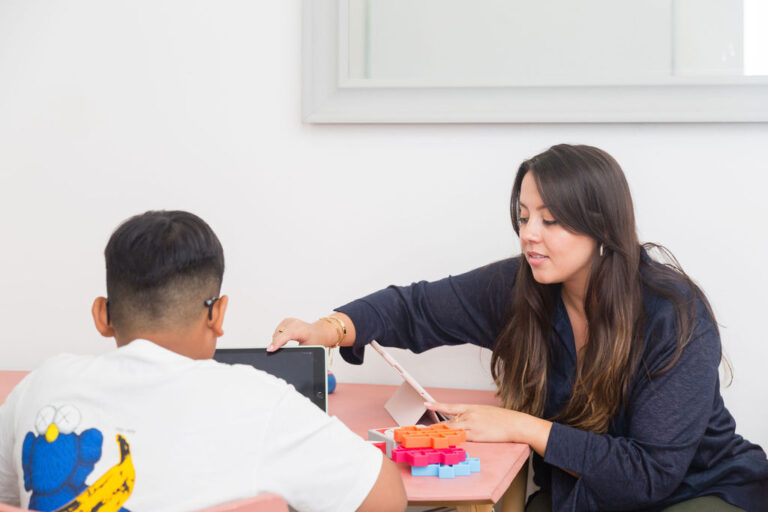
Dyslexia is a lifelong learning difference that affects how individuals process things like language, reading, writing and spelling. Although it comes with these challenges, it does not mean they lack the
ability or intelligence. It’s important to understand how the brain works.
Early diagnosis is crucial as it allows your child to access accommodations and academic support as well as em
otional support. With the right help and tools, your child can be guided on the right track to thrive in school and out.
It’s important to talk to your child and explain to them about dyslexia and show them it’s not something they should be ashamed of. Recognise their strengths and shift their thinking to the endless possibilities that lie ahead for them in the future.
 Reviewed by Bibiana Tan, Clinical Psychologist at Us Therapy