
LGBTQIA+ Affirming Therapy
Our identities shape how we see ourselves and how we’re seen by the world. For LGBTQIA+ individuals, this can come with unique challenges, and strength. Your experiences deserve care, understanding, and space to be heard. We are here to walk with you, with support that is inclusive, affirming, and rooted in respect.
Understanding LGBTQIA+ Experiences
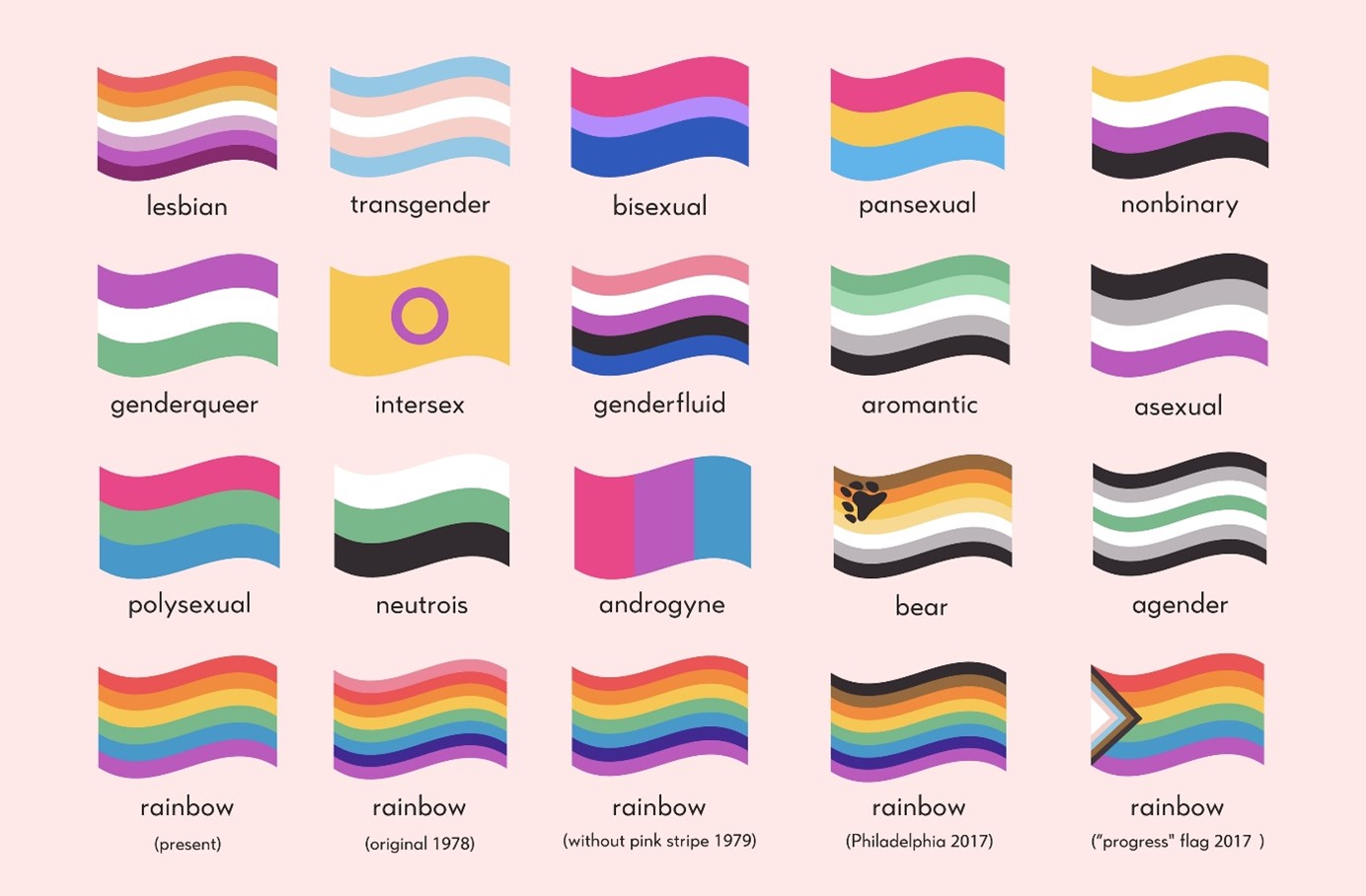
The term LGBTQIA+ is an inclusive acronym that stands for Lesbian, Gay, Bisexual, Transgender, Queer or Questioning, Intersex and Asexual. The “+” symbol represents a broader spectrum of sexual and gender identities not explicitly listed—such as pansexual, non-binary, genderqueer, and other non-heteronormative experiences of identity and attraction. The purpose of the acronym is to acknowledge and affirm the diversity of the community while promoting visibility, respect, and inclusion.
The roots of the LGBTQIA+ movement can be traced back to the early 20th century, but gained significant momentum during the Stonewall Riots of 1969 in New York City—a watershed moment often credited with sparking the the modern LGBTQ+ rights movement.
Originally abbreviated as “LBG”, the acronym has evolved over time in recognition of the complex and intersecting identities within the community. The inclusion of terms like “transgender”, “intersex”, and “asexual” reflects growing awareness of gender diversity and the nuances of human sexuality.
Despite progress in visibility and legal rights, LGBTQIA+ individuals continue to face disproportionate mental health challenges. These stem not from their identities themselves, but from social stigma, discrimination, minority stress and in some cases, rejection from family, peers or institutions. Young LGBTQIA+ people, in particular, are at increased risk of depression, anxiety, self-harm, and suicide, especially in environments that lack support or acceptance.
Understanding the terminology, the history, and the broader societal context of LGBTQIA+ experiences is critical when exploring mental health and well-being within this community.
We delve deeper into these mental health challenges and explore ways clinicians, educators and allies can offer effective, affirming support.
LGBTQIA+ Mental Health and Wellbeing
LGBTQIA+ mental health refers to the unique mental and emotional well-being concerns faced by people who identify as lesbian, gay, bisexual, transgender, queer or questioning, intersex, asexual and other identities.
Simply put, it is about how your experiences as an LGBTQIA+ person can affect your mental health.
Being LGBTQIA+ is not a mental illness—it is a normal part of human diversity. However, living in a society where you might face misunderstanding, rejection, or discrimination can put extra stress on your mental health.
Everyone has a sexual orientation and gender identity, and when these do not fit what most people expect, it can sometimes make life more challenging.
Why LGBTQIA+ Individuals May Face Additional Stress
Higher rates of mental health challenges in the LGBTQIA+ community are linked to a range of social and environmental factors, such as:
- Discrimination, bullying, and harassment at school, work, or in the community.
- Family rejection or lack of support, which can increase the risk of depression, substance use, and suicide.
- Internalised stigma, where negative messages from society are turned inward, affecting self-esteem.
- Barriers to accessing affirming healthcare, including fear of discrimination or lack of knowledgeable providers.
- Social isolation, especially if you feel you cannot be open about your identity.
- Intersectionality, where you may face multiple forms of marginalisation (e.g. being LGBTQIA+ and a person of colour or having a disability)
Common Mental Health Challenges
LGBTQIA+ individuals are more likely to experience certain mental health issues compared to the general population. The common challenges include:
- Depression and anxiety, which are seen at markedly higher rates among LGBTQIA+ people—especially in youth and transgender individuals—are often linked to stigma, discrimination, and minority stress.
- Suicidal thoughts or attempts, with LGBTQIA+ youth being several times more likely to consider or attempt suicide than their non-LGBTQIA+ peers. A 2021 cohort study of young GBTQ men in Singapore (ages 18–25) reported that 58.9% had considered suicide and 14.2% had attempted it. The analysis revealed that the severity of depression was significantly associated with both suicidal ideation and suicide attempts, placing these individuals at heightened mental health risk.
- Substance use disorders, which can be a way to cope with stress, stigma, or trauma
- Post-traumatic stress disorder (PTSD) and trauma, often linked to experiences of bullying, rejection or violence.
- Eating disorders and body image concerns, which are more common in some parts of the LGBTQIA+ community.
These challenges do not arise from being LGBTQIA+, but are caused by the stress, stigma, and discrimination that many face.
Signs You May Benefit From Support
Symptoms can look similar to anyone struggling with mental health, but may be shaped by your experiences as an LGBTQIA+ person. You might notice:
- Persistent sadness, low mood, or loss of interest in things you used to enjoy
- Anxiety, panic attacks, or feeling constantly on edge
- Withdrawal from friends, family, or social activities
- Trouble sleeping or changes in appetite
- Using alcohol or drugs to cope with feelings
- Thoughts of self-harm or suicide
- Feeling isolated, ashamed, or afraid to be yourself
- Struggling with your identity or feeling pressure to hide it
If you are experiencing any of these symptoms, support is available.
LGBTQIA+ Support Approaches
In Singapore, LGBTQIA+ affirming therapy is available through both private practices and community organisations. Support can include:
Affirmative Counselling and Therapy
- Work with therapists trained in LGBTQIA+ issues who provide a safe, non-judgmental space for you to explore your identity, relationships and mental health challenges
- Approaches include Cognitive Behavioural Therapy (CBT), trauma-informed care, and queer affirmative therapy
- Therapy can address identity questions, coming out, family and relationship issues, discrimination, and trauma.
Peer and Community Support
- Access to LGBTQIA+ support groups, community organisations, and peer mentors for shared understanding and encouragement
- In Singapore, organisations like Oogachaga, The T Project, Project X and Listening Ear offer individual, group and family support.
Education and Advocacy
- Therapists help you challenge internalised stigma and build resilience against discrimination.
- Support extends to educating families and allies to foster understanding and acceptance
Safe and Inclusive Environments
- Support is provided in spaces that are welcoming and inclusive, both in-person and online
- Services are accessible and confidential, with flexible formats to suit your lifestyle
When To Seek Help
You should consider seeking help if you:
- Feel persistently sad, anxious or hopeless
- Withdraw from social connections or lose interest in activities
- Experience thoughts of self-harm or suicide
- Use substances to cope with your feelings
- Struggle with coming out, acceptance, or identity-related stress
It is never too early or too late to reach out. Early support can prevent issues from worsening and help you build your resilience.
How Can Us Help You?

Experienced Therapists
Our processes and quality assurance is led by Dr.Emma Waddington, a UK-trained senior clinician psychologist and Founder of Us Therapy, with over 20+ years of experience in helping individuals in Singapore.
Holistic & Personalised Approach
Our clinicians draw from various therapeutic models to create a holistic approach. At Us, we have seen hundreds of clients and we recognise that each individual is unique. Our approach is tailored to you but always includes customised treatment plans and integrative techniques.
Thorough Assessment
At Us, we pride ourselves on our comprehensive assessment processes. We will undergo a thorough assessment process with you in your first sessions before we come up with a plan for your therapy.
Our Therapists







What To Expect
The thought of a first therapy session can understandably feel daunting when you have social anxiety.
You can expect a safe and supportive environment where your therapist will primarily focus on getting to know you. They will likely ask about what brings you to therapy, your history with social anxiety, and your current challenges.
While it is okay to feel nervous, remember there is no pressure to share everything at once.
Your therapist will guide the conversation gently, and the first session is often about establishing a comfortable connection and outlining how therapy can help you move towards your goals.
Initial Consultation – A Space to Be Heard
The first session is all about getting to know you. It is a conversation—one where you can share what is been on your mind, what has been feeling difficult, and what you would like support with. Your therapist will ask questions about your background, experiences, and goals, but there is no pressure to answer any questions—just a safe space to begin.
Questionnaires & Onboarding Surveys – Understanding the Full Picture
To help tailor therapy to your needs, you may be asked to fill out some brief questionnaires before or after your first session. These can give insight into things like mood, stress levels, relationship patterns, or coping strategies. They are not tests—just tools to help your therapist understand how best to support you.
Individual Therapy Sessions – Your Journey at Your Own Pace
Each session is a step forward in your journey. Therapy is not just about talking—it is about discovering new ways to navigate life’s challenges, make sense of emotions, and feel like you are getting the most out of your life. Depending on your needs, sessions may focus on:
- Exploring patterns of thought and behavior
- Understanding past experiences and their impact on the present
- Developing practical coping tools
- Strengthening emotional resilience
Feedback Sessions – Reflecting and Adjusting
After the first few sessions (or after assessments), a feedback session provides space to reflect on how therapy is going. This is a chance to talk about what has been helpful, what you would like more of, and how therapy can continue to best serve you.
Intervention – The Heart of Therapy
Intervention is where meaningful change happens. Every therapy journey is unique, and the approach will be shaped around what works best for you. Some common approaches include:
🌱 Cognitive Behavioral Therapy (CBT) – Helping to identify and shift unhelpful thought patterns, reduce anxiety, and develop healthier ways to cope and new patterns of behaviour.
🧠 Schema Therapy – Deep, transformational work to uncover long-standing patterns that might be keeping you stuck, often rooted in early life experiences.
💙 Acceptance and Commitment Therapy (ACT) – Learning to handle difficult emotions with self-compassion and move towards what truly matters in life.
🌊 Eye Movement Desensitization and Reprocessing (EMDR) – A powerful approach for healing trauma and distressing memories, helping the brain reprocess them in a way that feels less overwhelming.
🧘 Mindfulness-Based Approaches – Building self-awareness, grounding techniques, and ways to manage stress and emotions with greater ease.
Fees
Individual Counselling Rates
Clinician type
Fees and Duration
Clinic Founder
$325
Principal Psychologist
$305
Senior Clinical Psychologist
$277
Educational Psychologist
$277
Clinical Psychologist
$251
Senior Counsellor
$251
Counsellor
$185
Associate Counsellor
$120
Phone calls / Emails
Clinicians rate pro-rata (10 Mins)
FAQs About LGBTQIA+
What does LGBTQIA+ mean?
LGBTQIA+ stands for Lesbian, Gay, Bisexual, Transgender, Queer or Questioning, Intersex and Asexual. The “+” symbol includes other identities not specifically listed, such as pansexual, non-binary and more. This acronym is used to recognise and include the full diversity of sexual orientations and gender identities within the community
What does LGBTQQIP2SAA stand for?
LGBTQQIP2SAA is a more expansive acronym: Lesbian, Gay, Bisexual, Transgender, Queer, Questioning, Intersex, Pansexual, Two-Spirit, Androgynous. Sometimes the last “A” is also used for Ally, someone who supports the community
What is the IA+ in LGBTQIA+?
“I” stands for Intersex – people born with physical sex characteristics that do not fit typical definitions of male or female. “A” stands for Asexual (experiencing little or no sexual attraction), Aromantic (little or no romantic attraction), or Agender (not identifying with any gender). The “+” includes all other identities explicitly listed, making the acronym as inclusive as possible.
What does Q+ mean in LGBTQ+?
The “Q” in LGBTQ+ can stand for Queer (an umbrella term for anyone whose sexual orientation or gender identity falls outside traditional norms) or Questioning (someone exploring their identity). The “+” symbol represents all other identities not explicitly names, such as pansexual, non-binary and more
What is “coming out” and why is it important?
“Coming out” is the process of acknowledging and sharing your sexual orientation or gender identity with others. For many LGBTQIA+ individuals, it can be a meaningful step towards self-acceptance, reducing internal stress, and building authentic relationships. It may also contribute to broader visibility, understanding and social change by helping others learn about the diverse experiences within the LGBTQIA+ community.
However, coming out is not without challenges. It may expose someone to discrimination, rejection, or misunderstanding, especially in an unsupportive environment. That is why the process of coming out is deeply personal and unique to each individual.
More importantly, there is no right or wrong way to come out, and no timeline you must follow. It is a decision that belongs to you and no one else.
You should feel safe, supported, and emotionally ready before taking that step. You do not have to come out to everyone, or even anyone, until you are ready. No one should pressure you into coming out before you feel prepared, and doing so just to meet others’ expectations can be emotionally harmful. Your identity is valid, whether you choose to share it now, later, or not at all.
Coming out may happen once or in many stages across your life. What matters most is that the decision feels right for you, made on your own terms, in your own time.
What is the difference between sexual orientation and gender identity?
Sexual orientation refers to who you are attracted to romantically or sexually (for example, gay, lesbian, bisexual). Gender identity is about your internal sense of self as male, female, both, neither, or somewhere along the gender spectrum. They are separate aspects of a person’s identity a persona can be transgender and straight, gay, bisexual or any other orientation.
What is the difference between being transgender and intersex?
Transgender people have a gender identity that does not align with the sex assigned to them at birth, often seeking social or medical transition. Intersex people are born with physical or biological characteristics (chromosomes, hormones or anatomy) that do not fit typical definitions of male or female. Most intersex people identify as male or female, not necessarily as transgender, and the two experiences are distinct.
What is the difference between non-binary and gender non-conforming?
Non-binary refers to a specific gender identity outside the male/female binary, such as identifying as both, neither, or somewhere in between. Gender non-conforming describes anyone whose gender expression or behaviour does not fit traditional expectations for their assigned sex at birth. Not all gender non-conforming people are non-binary, and not all non-binary people are gender non-conforming
Someone I know just told me they are LGBTQIA+, and I don’t know what to do.
Let them know you accept and support them. Thank them for trusting you, as coming out can be difficult. Ask if they would like you to use different pronouns or a new name, and respect their privacy. Avoid making it a big deal, but do not ignore it—show that you care and are there for them.
What can I do to be a supportive ally to LGBTQIA+ people?
- Educate yourself about LGBTQIA+ identities and issues.
- Use inclusive language and respect chosen names and pronouns.
- Speak out against discrimination and support LGBTQIA+ rights.
- Listen without judgement and create safe, welcoming spaces.
- Support LGBTQIA+ organisations and events.
- Recognise intersectionality and keep learning—being an ally is an ongoing process
Support Resources for LGBTQIA+ Individuals
If you are looking for support, community, or crisis help, these resources are a good place to start. Whether you need someone to talk to, mental health support, or information on safe spaces, you will find trusted options below.
Singapore-Based Support
- Oogachaga
Counselling, WhatsApp support, and community resources for LGBTQIA+ individuals, couples, and families.
oogachaga.com
WhatsApp: 8592 0609
Email: care@oogachaga.com - Pelangi Pride Centre
Community library and safe space for LGBTQ+ individuals.
pelangipridecentre.org
Saturdays, 2 pm to 6 pm - The T Project
Shelter and support for transgender individuals, including counselling and community activities.
theprojectsg.org - TransBefrienders
Peer support, mentoring, and educational programmes for transgender and gender-diverse youth.
transbefrienders.com - Brave Spaces
Helpline and support for LBTQI women in Singapore.
WhatsApp: 8788 8817 (Tues & Thurs, 6 pm to 9 pm) - TransgenderSG
Information and guidance on transition healthcare, legal issues, and support groups.
transgendersg.com - Samaritans of Singapore
24-hour crisis hotline for anyone in distress.
Hotline: 1800-221 4444
sos.org.sg